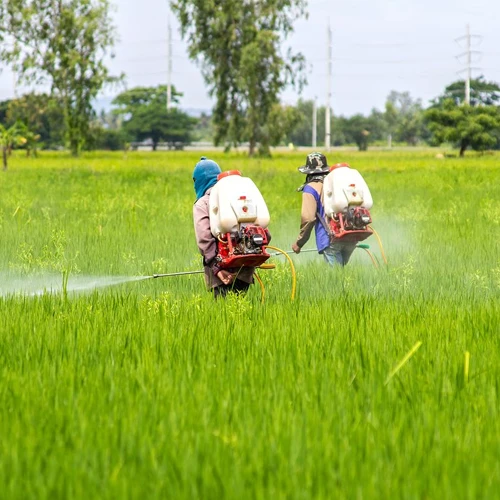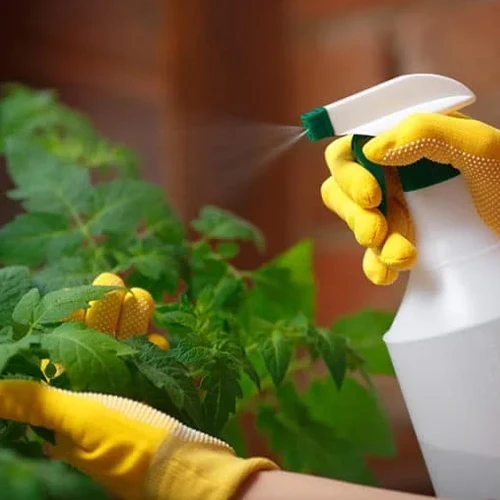
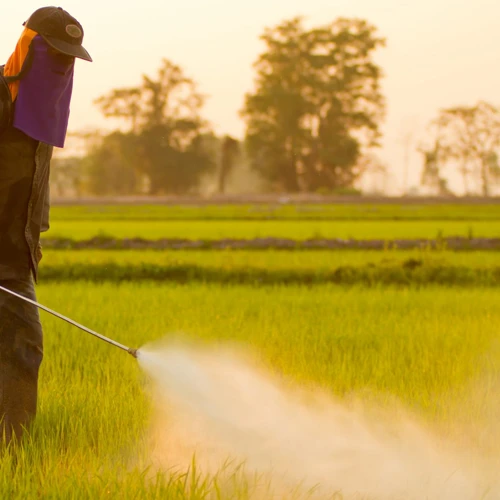
Weeds are one of the most underestimated threats in agriculture. They compete directly with crops for nutrients, water, sunlight, and space. If not controlled properly, weeds can reduce crop yield drastically and affect overall farm productivity. Herbicides are one of the most effective solutions for managing weeds and ensuring healthy crop growth.
What Are Herbicides?
Herbicides are substances used to control or eliminate unwanted plants (weeds). They are specifically designed to target weeds without harming the main crop when used correctly. Herbicides can be selective (target specific weeds) or non-selective (kill all vegetation).
Why Weed Control Is Important
Weeds grow faster than crops and consume essential resources. This leads to:
Reduced nutrient availability for crops
Lower water absorption
Poor sunlight exposure
Stunted crop growth
Effective weed control ensures that crops get the resources they need to grow properly.
Types of Herbicides
1. Pre-emergence Herbicides
These are applied before weeds germinate. They create a protective layer in the soil that prevents weed seeds from growing.
2. Post-emergence Herbicides
These are applied after weeds have already appeared. They target actively growing weeds and stop their development.
3. Selective Herbicides
These target specific types of weeds without damaging crops.
4. Non-selective Herbicides
These kill all plants and are usually used for land clearing or before planting.
How Herbicides Improve Crop Growth
Herbicides help crops grow better by eliminating competition. When weeds are controlled:
Crops receive more nutrients and water
Plants grow stronger and healthier
Root development improves
Overall productivity increases
This directly leads to better yield and efficient farming.
Boosting Agricultural Productivity
Weed infestation can reduce crop yield by a large margin. By using herbicides effectively, farmers can:
Increase yield per hectare
Reduce manual labor costs
Improve farming efficiency
Ensure uniform crop growth
Herbicides are especially important in large-scale farming where manual weed control is not practical.
Improving Crop Quality
Weeds can contaminate harvests and reduce the quality of produce. Herbicides help maintain clean fields, resulting in:
Better-looking crops
Higher market value
Easier harvesting
Economic Benefits for Farmers
Controlling weeds early prevents major losses later. Herbicides help farmers:
Save time and labor
Reduce production costs
Increase profitability
A well-managed field translates directly into better financial returns.
Responsible Use of Herbicides
While herbicides are highly effective, proper usage is essential:
Apply the correct dosage
Use the right type for specific crops
Avoid overuse to prevent resistance
Follow safety and environmental guidelines
Integrating herbicides with other weed control methods ensures long-term effectiveness.
Conclusion
Herbicides play a crucial role in modern agriculture by controlling weeds and improving crop growth. They help reduce competition, increase productivity, and enhance crop quality. When used responsibly, herbicides contribute to efficient, sustainable, and profitable farming.