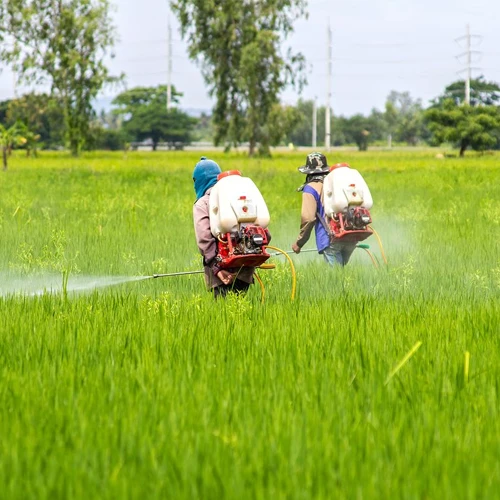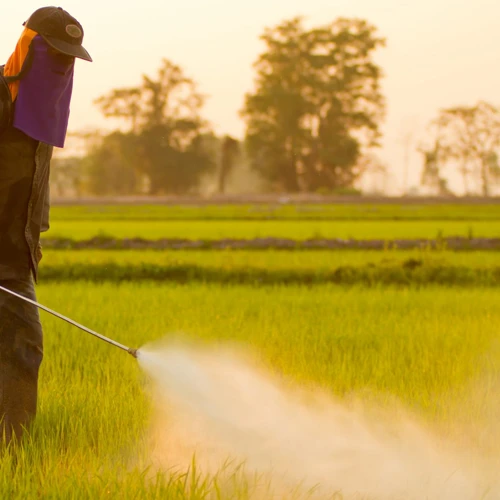

Fungal diseases are one of the biggest threats to agriculture. They can spread quickly, damage crops at any stage, and significantly reduce both yield and quality. Fungicides are essential tools that help farmers control these diseases and maintain healthy crop production.
What Are Fungicides?
Fungicides are substances used to prevent or control fungal infections in plants. They can either stop fungi from growing or kill them completely. Fungicides are applied to seeds, soil, or crops depending on the type of disease and stage of plant growth.
Preventing Crop Diseases
Fungi cause many common plant diseases such as rusts, blights, mildews, and wilts. These diseases can spread rapidly, especially in humid conditions. Fungicides act as a protective barrier or treatment, stopping infections before they spread across the field.
By controlling fungal diseases early, farmers can avoid large-scale crop damage and maintain plant health.
Improving Crop Yield
Healthy plants produce better yields. When crops are free from fungal infections, they can grow properly and use nutrients more efficiently. Fungicides help ensure that plants are not weakened by disease, resulting in higher productivity per hectare.
This is especially important for staple crops where even small losses can impact overall food supply.
Enhancing Crop Quality
Fungal infections often lead to discoloration, rotting, or deformities in crops. This reduces their market value. Fungicides help maintain the appearance and quality of produce, making it more suitable for sale and consumption.
Better quality crops also have longer shelf life, reducing post-harvest losses.
Protecting Seeds and Early Growth
Fungicides are often used as seed treatments to protect young plants from soil-borne fungi. Early protection is critical because seedlings are more vulnerable to infections. Strong early growth leads to healthier plants and better yields later.
Reducing Economic Losses
Crop diseases can lead to major financial losses for farmers. Fungicides help reduce these risks by protecting crops throughout the growing season. This ensures more stable income and better returns on investment.
Supporting Modern Farming Practices
Modern agriculture involves high-yield crop varieties, fertilizers, and irrigation systems. Fungicides support these practices by protecting crops from diseases that could otherwise limit their performance.
Without disease control, the benefits of advanced farming techniques would be reduced.
Responsible Use of Fungicides
While fungicides are highly effective, they should be used responsibly. Overuse can lead to resistance in fungi and environmental concerns. Farmers should:
Use the correct dosage
Apply at the right time
Rotate different types of fungicides
Follow integrated disease management practices
Conclusion
Fungicides play a vital role in modern agriculture by preventing crop diseases and improving yield. They help protect plant health, enhance quality, and ensure reliable food production. When used properly, fungicides contribute to sustainable farming and stronger agricultural output.